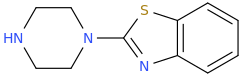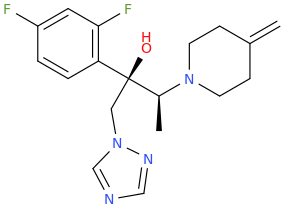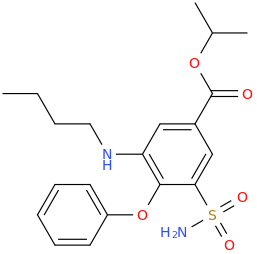

Apremilast Impurity D is a structurally related degradation byproduct derived from the parent compound Apremilast, characterized by a cyclohexane ring fused to a pyridine moiety and substituted with a carboxylic acid functionality. The compound retains the core 6-membered heterocyclic framework but features a hydrolyzed amide group converted to a carboxylic acid, distinguishing it from the parent drug's carboxamide. This impurity arises via non-enzymatic hydrolysis under acidic conditions, forming a stable, low-molecular-weight byproduct. It serves as a critical HPLC reference standard for quantifying degradation pathways in Apremilast formulations during stability testing.
On Request