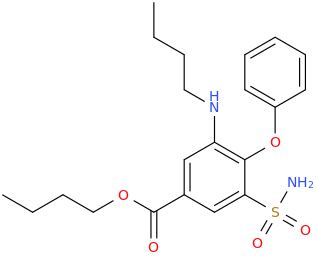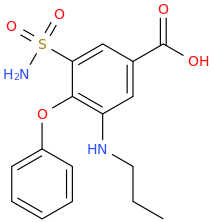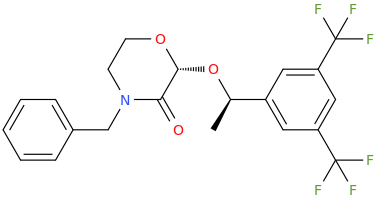

Cimetidine disulfide impurity arises from oxidative coupling of the thiol group in cimetidine, forming an intermolecular disulfide bridge between two parent molecules. This dimeric byproduct retains the thiazole ring and guanidine moiety of cimetidine but features a central disulfide linkage (โSโSโ) connecting the 4-aminothiazole side chains. The compound exhibits enhanced thermal stability compared to the parent drug due to the covalent disulfide bond. It is a critical degradation product formed under oxidative stress during cimetidine synthesis or storage, and serves as an HPLC reference standard for quantifying oxidative impurities in cimetidine-based pharmaceuticals.
On Request