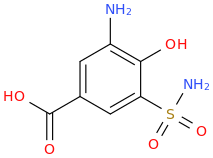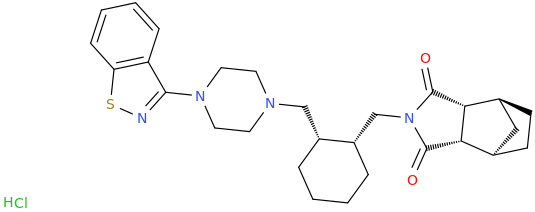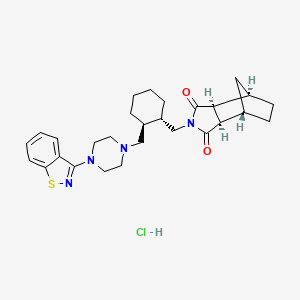
Linagliptin N-amino acyl impurity arises from acylation of the piperazine nitrogen in the parent drug's core structure, substituting the native amine with an acyl moiety. This impurity retains the pyrazine-2-carboxamide scaffold and 4-fluorophenyl substitution characteristic of linagliptin but features an N-acylated piperazine ring, altering its hydrogen bonding capacity and hydrophobicity. The acyl group, likely derived from a synthetic intermediate, introduces a ketone functionality adjacent to the piperazine nitrogen. This compound serves as a critical HPLC reference standard for quantifying acylation byproducts in linagliptin active pharmaceutical ingredient batches.
On Request