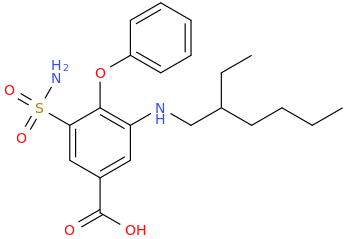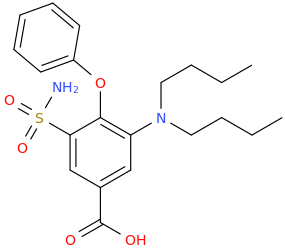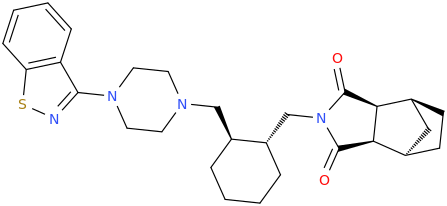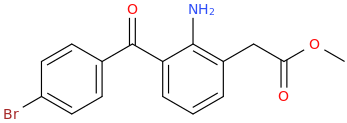

Rilpivirine Amide 2 is a synthetic byproduct arising from the acylation of the piperazine nitrogen in rilpivirine, featuring an additional amide linkage adjacent to the pyridine core. Its structure retains the 4-chloro-2-pyridinecarboxamide scaffold but incorporates a secondary amide group at the terminal piperazine ring, altering hydrogen bonding potential and hydrophobicity. This impurity forms during over-acylation steps in rilpivirine synthesis, where excess reagents promote dual amide formation. It serves as a critical HPLC reference standard for quantifying process-related impurities in rilpivirine active pharmaceutical ingredient batches.
On Request