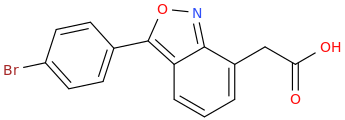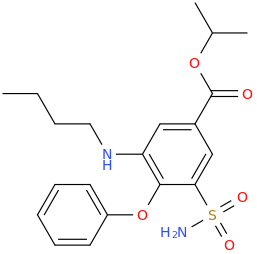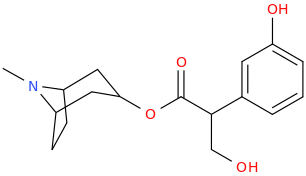

Rilpivirine N-oxide impurity arises from oxidative modification of the piperazine nitrogen in the parent API, introducing an N-oxide functional group. This structural variant retains the pyridine core and 4-(diphenylamino)-1,2,4-triazole-1-yl substituent characteristic of rilpivirine but features an oxygenated nitrogen in the piperazine ring. The impurity forms via aerobic degradation or synthetic pathway byproduct generation, altering the compoundβs polarity and chromatographic behavior. It serves as a critical HPLC reference standard for quantifying oxidation-related impurities in rilpivirine drug substance and product stability testing.
On Request